

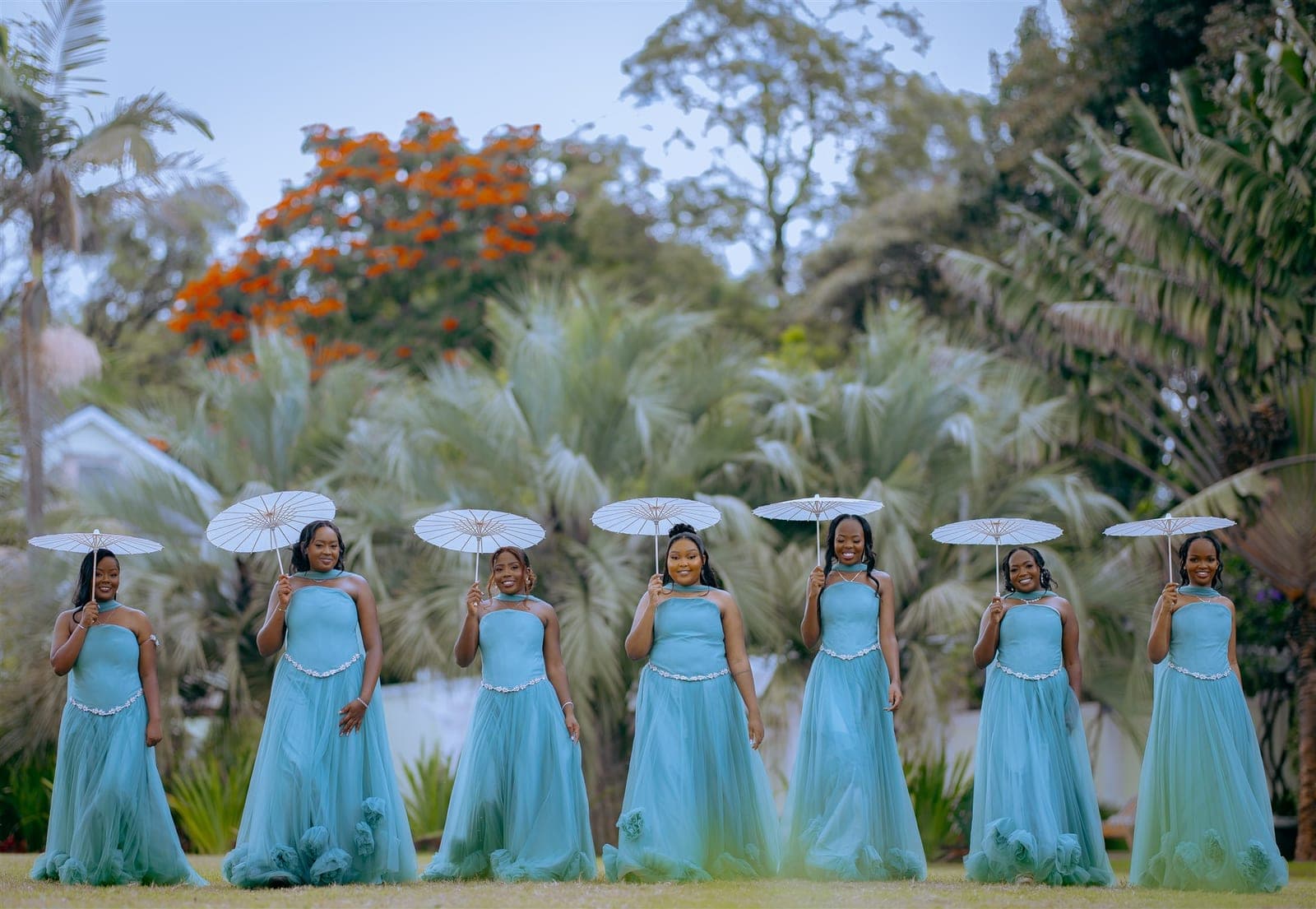
There are moments you’ll want to see again on your wedding day: your partner’s face as you walk down the aisle, your parents watching you, speeches that made everyone laugh or people who travelled from far and wide to celebrate with you.
Photographs and wedding films give you different ways to go back. One gives you an image that you can pause on, print or share; the other lets you hear the voices, music and words that were part of the celebration.
Wedding photography takes still photos and videography records movement (and, depending on coverage agreed) sound. Each offers a different perspective. Knowing what each brings can help you decide what you’d most like preserved if you choose one service or both.
1. Photographer vs Videographer: What’s the difference?
A wedding photographer and a wedding videographer both record your event but they save different things. They may cover the same event but the finished photos and film are not interchangeable.
A photographer looks for individual moments and turns them into still images. It could be the ring exchange or a quiet moment between you and your partner, a portrait with your family or a friend’s reaction during the ceremony. A photograph chooses one instant and gives it a place of its own.
A videographer films events as they happen. Besides movement and expressions, a wedding film can record voices, music, speeches and other sounds depending on the coverage arranged and your budget. Rather than stop on one instant, it can show how that moment developed and what happened around it.
Think of the difference between looking at a photograph of your wedding ceremony and watching a film of it. The photograph may have the moment you exchanged rings in it. The film can also bring back the words spoken, the movement and reactions around you. Both are meaningful, but they give different ways of remembering the same part of the day.
This is the big difference between photographer vs videographer. When couples search “videographer vs photographer” they’re trying to figure out which service they need. Instead of asking which is better, ask what do you want to come back and revisit later? Do you picture framed family portraits and an album? Do you want to hear your vows and speeches again? Or are both important to you?
2. What Wedding Photography Preserves
Some wedding moments are special as photographs because you have something to come back to. A portrait with your parents, a photo with grandparents or an image of your partner just before the ceremony may be one of those pictures that you keep close for years.
You might print a favourite image, frame it at home, show it to family or put it in an album. A photograph can be revisited in a few seconds. You do not need to play a full recording to find the expression, person or detail you want to see.
Wedding photography also documents details you may not have time to take in while celebrating: the outfits, flowers, décor, rings, guests arriving and interactions around the venue. Photographs can show who was there: family photos, moments between guests.
Not every image that’s meaningful is a posed portrait. A parent adjusting an outfit, a friend checking in before the ceremony starts or just the couple taking a moment together can all be as personal as anything else on your day. They give you individual moments to look back on and tell the bigger story of your wedding.
3. What Wedding Videography Brings to Life
There are parts of a wedding that a photograph can show but not bring back. A film can preserve the music as you walk down the aisle, the words spoken during the ceremony and the reactions of the people watching.
The same is true of speeches, vows and celebrations. A photograph may capture the expression on someone's face, while a film can also preserve their voice and the way they delivered those words. A pause, a laugh or the emotion in someone's voice can add context that a still image cannot carry by itself.
Videography records movement and may also include sound, depending on your coverage. That gives you another way to experience the day: how guests arrived, how the couple moved together during a dance or how guests reacted to a speech. A film can bring different parts of the occasion together in a way that isn’t quite like looking at pictures.
4. How Wedding Photography and Videography Work Together
Photography and videography each capture a wedding in a different way, but they can work together. If both are part of your coverage then you have stills and film to go back over. Each gives you a slightly different view of the celebration rather than doing exactly the same job.
Think about the ceremony. The photographer might have caught the ring exchange, your partner’s face when you say your vows or family members’ faces as they watch; a wedding film can record movement, spoken words and atmosphere around those moments. Looking at a photograph later may bring one moment back but watching the film might help you remember how that part of the ceremony went.
Having both services doesn’t mean every second has to be filmed and photographed at the same angle. The value is in having two ways of documenting the day. One picture may become a favourite portrait and the film might be how you revisit the sound and movement of the celebration.
This is how wedding photography and videography can work together to give you a fuller record of the day. You’re deciding whether you want still images as well as a moving record, and which parts of the celebration matter most in each.
5. How the Photographer and Videographer Can Coordinate
When you book a wedding photographer and videographer, they work around the same schedule, spaces and moments. If you can talk about arrangements beforehand, it makes coverage feel considered and less disruptive.
Tell them your programme, including the ceremony time, where you're getting ready, the reception venue, travel arrangements and any important traditions. Tell them the moments you want photographed or filmed so practicalities can be discussed in advance.
Ask how the photographer and videographer plan to coordinate. What matters is that responsibilities, timing and expectations are discussed clearly before you book.
Before the day, it can help to agree on practical details: where each person will stand during the ceremony, how they will share the timeline and key moments, and whether they are part of the same team or working as separate suppliers. This gives everyone a clearer idea of how to cover important moments without getting in one another’s way.
6. Choosing the Coverage That Suits Your Wedding
If you love the idea of printed photographs, family portraits and images you can display or share easily, photography may be the service you prioritise. If hearing the vows, speeches and music again matters to you, ask about videography. If both still images and moving footage are important, booking both may be worth considering.
When comparing wedding photography packages in Kenya, look beyond the headline price. Check the hours included, which parts of the day are covered, what final photographs or films you will receive and whether travel or additional events affect the arrangement. Package names can sound similar while the actual coverage differs, so read the details rather than assuming every package includes the same things.
7. Questions to Ask Before Booking
- Can we see examples of complete wedding galleries or films, rather than only selected highlights?
- What parts of the wedding day or programme does the proposed coverage include?
- How many hours are included, and what happens if the programme runs late?
- Are preparations, the ceremony, family photographs, speeches and reception covered?
- How will the photographer and videographer coordinate during important moments?
- What final photographs and film deliverables should we expect, and how will they be delivered?
- Are travel, additional venues or multi-day celebrations included or quoted separately?
Frequently Asked Questions
Do we need both a wedding photographer and a videographer?
Not necessarily. It depends on what you want preserved and the budget you have available. If still images are your priority, you may choose photography. If you also want to revisit movement, voices and sounds from the day, consider videography as well.
Can a photographer and videographer work at the same wedding?
Yes. They can cover the same event, but it helps to discuss coordination beforehand. Sharing the programme, identifying important moments and agreeing how the team will work around the ceremony and venue can help avoid unnecessary disruption.
How do we compare wedding photography and videography packages?
Compare the actual coverage and deliverables, not just the package name or price. Check the hours, events and locations covered, the photographs or films supplied, travel arrangements, delivery expectations and any additional costs.
Will the videographer record our full ceremony and speeches?
It may be possible, but do not assume every film package includes full recordings of every part of the day. Ask what audio and ceremony or speech coverage is included in the specific proposal, and make sure your expectations are clear before booking.
Choose the Coverage That Helps You Remember Your Day
Your wedding photographs and film give you different ways to look back on the celebration. One may become the portrait you frame at home; another may bring back a familiar voice or the atmosphere of a moment. Choose coverage that reflects what you want to remember.
Take time to think about the people, traditions and moments that matter most to you. Talk through your programme with the professionals you are considering, ask what their coverage includes and make sure the agreement is clear. Whether you choose photography, videography or both, the decision should feel right for your plans.
At Kaplong, we offer wedding photography and videography for couples celebrating in Kenya and at destination weddings. If you are planning your wedding and would like to discuss photography or film coverage, get in touch with us and tell us about your plans.