

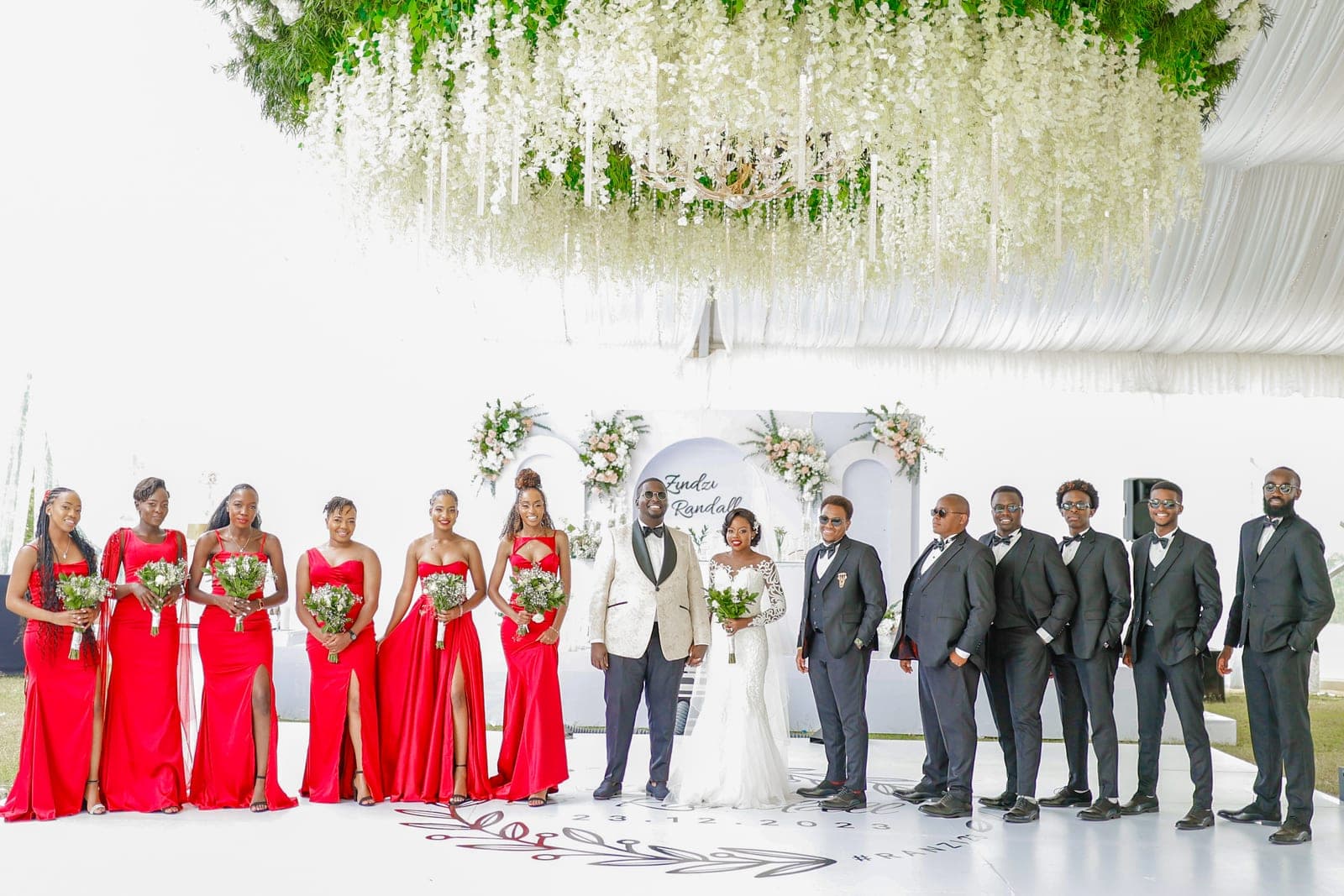
You may have your wedding programme planned down to the last detail, but on the day it’s not always like that.
The ceremony may take longer than you thought, family photos may take longer too and getting from venue to venue may not be as quick as you hoped.
When that happens photography gets squeezed into whatever time is left. Couple portraits are rushed, family photos feel forced and some moments don’t get the attention they need.
So that’s why it’s good to build your wedding photography timeline alongside the rest of your programme. If each part of the day gets time then you can celebrate without always wondering what happens next.
1. Start With Your Ceremony Time and Work Backwards
Your ceremony time is a good place to start when planning your wedding photography timeline. Once you know when the ceremony starts, then you can work backwards and organise preparations and decide when coverage should begin.
For example, if your ceremony starts at 10 a.m., think about how much time you’ll need to get ready, travel to the venue and take photos before the ceremony begins.
Then think about what happens next. Will family photos be taken at the ceremony site? Reception elsewhere? Couple portraits before you join your guests?
Working backwards shows you how all the activities fit together, rather than trying to cram photographs into whatever time is left.
Tell your photographer about your full wedding programme too. They’ll know where you might need extra time and whether the proposed wedding photography schedule is realistic or not.
2. Decide What Needs to Be Photographed Before the Ceremony
Getting-ready photographs are often part of the story couples want told. Wedding outfits, shoes, jewellery and other details; moments with family and the wedding party.
Consider where preparations will take place before you settle this part of your schedule. Will you and your partner get ready in the same place or two different places? If you’re in two different places, how will the photographer cover both locations?
This is important if you both want photos of the preparations. Depending on where you are and who’s available, this may need some planning.
Don’t forget to give yourself time for the preparations themselves. Getting dressed, making last minute changes and travelling to the ceremony venue can take longer than you think.
The best way to do this is for you to tell your photographer which moments you want captured and when coverage should start.
3. Plan Family and Wedding Party Photographs
Family photos are often among the most important images a couple takes home from their wedding. They bring people together who may not have another opportunity to be photographed together in that way.
However, organising group photographs can take longer than expected (if there are lots of relatives and guests involved).
Write down all the family groupings you want photographed before the wedding. Couple with both sets of parents, immediate family, siblings, grandparents, wedding party.
Give your photographer the list ahead of time. You can also ask a family member who knows both sides to get people together when it’s time for photographs.
This is especially useful for larger Kenyan weddings where extended family and important groups of families may be present.
A plan doesn’t mean every photo has to be formal. It just makes sure there is time for the people you want in the picture.
4. Account for Travel, Venue Changes and Delays
If your preparations, ceremony and reception are all happening in different venues, then travel time needs to be part of your wedding photography timeline.
It’s easy to plan a programme that looks great on paper but leaves very little room for moving between locations.
For weddings in Nairobi, traffic can make it even more important. A journey that looks short on a map could be very long depending on time and route.
Parking, access to venues and whether your photographer will travel with you or meet you at the next location are also things to think about.
If your wedding has several venues, give your photographer the addresses beforehand. That way they know what movements are involved and can plan their coverage accordingly.
If you have ruracio, introductions or a multi-day celebration, each event may have its own schedule. Make sure your photographer knows how these activities fit together.
A little flexibility in your programme goes a long way. It gives everyone time to move between activities without making the rest of the day feel rushed.
5. Consider Lighting When Planning Couple Portraits
The time of day can also influence the look and feel of your wedding photos (if you’re doing outdoor portraits).
Natural light changes throughout the day. Morning light may look different from afternoon light or the light towards sunset.
If outdoor couple portraits are important to you, talk with your photographer about when to shoot. They can take into account the venue (what light is available), your wedding programme and so on when suggesting a time.
You should also think about where the photographs will be taken. A garden, an open space and a shaded area might all have different lighting.
If you have a setting or style of photography in mind, let your photographer know before the wedding. That way they can plan where you’ll be and when the portraits will happen.
You don’t have to move the whole programme around according to time of day. You just need to find a time that works with your plans and gives you the photographs you want.
6. First Look or No First Look: How Each Changes Your Timeline
A first look is when the couple see each other privately before the ceremony.
Some couples prefer to save their first meeting until the ceremony and others like the idea of a quiet moment beforehand. Neither is wrong, but it does influence how you schedule your photography.
If you choose to have a first look
You can arrange to see each other before the ceremony and take some couple portraits during that time.
This may be a good option if you have a busy programme after the ceremony, need more time for couple portraits or prefer to have a moment together before joining your guests.
It can also leave more time after the ceremony for family photographs and joining in the celebrations.
If you prefer not to have a first look
Your first meeting is during the ceremony and couple portraits can be scheduled after that.
In that case, how much time do you have between the ceremony and reception? You’ll also need to account for family photos, congratulations from guests and travel between venues if applicable.
If your programme is tight then talk to your photographer before you set the schedule.
A first look is a personal choice. The reason to plan around it is just so you have time for the photos that matter to you.
7. Leave Room for Unexpected Changes
Even a well thought out wedding programme can change.
The ceremony might start late. Family members may need more time to get together for photos. The weather could ruin an outdoor portrait session, or travel between venues could take longer than expected.
Don’t plan every minute. Give yourself some breathing room in your schedule.
Don’t schedule activities back-to-back with no time between them. Have a backup location for outdoor portraits in case it rains and tell your photographer which photos matter most to you.
It’s also worth sharing your programme with your wedding planner (if you have one) so everyone knows how the day is expected to go.
The idea is not to control every moment. It’s to leave enough room in the schedule so that if things don’t go as planned, you can still enjoy your day.
8. Sample Wedding Photography Timelines
Every wedding is different. How many guests, what kind of ceremony, venue arrangements and length of photography coverage all impact timing.
Many Kenyan weddings start at 10 a.m., so both of these examples use that ceremony time. Use them as a starting point when building your own wedding photo timeline, not as schedules to follow exactly.
Example A: Wedding With a First Look
| Time | Activity |
|---|---|
| 7:00 a.m. | Getting-ready photographs |
| 8:30 a.m. | Final preparations |
| 9:00 a.m. | First look and couple portraits |
| 9:45 a.m. | Final preparations at ceremony venue |
| 10:00 a.m. | Wedding ceremony |
| 11:30 a.m. | Congratulations and family photographs |
| 12:30 p.m. | Guest reception |
| 1:30 p.m. | Speeches, cake cutting and celebrations |
With a first look, some couple portraits are done before the ceremony takes place. This may leave more time afterwards for family photographs and joining in the celebrations.
Example B: Wedding Without a First Look
| Time | Activity |
|---|---|
| 7:00 a.m. | Getting-ready photographs |
| 9:00 a.m. | Final preparations and travel |
| 10:00 a.m. | Wedding ceremony |
| 11:30 a.m. | Congratulations and family photographs |
| 12:30 p.m. | Couple portraits |
| 1:30 p.m. | Guest reception |
| 2:30 p.m. | Speeches, cake cutting and celebrations |
Without a first look, couple portraits are done after the ceremony, so family photos, portraits and travel need to be planned for before the reception.
Both schedules are examples only. Your actual wedding photography timeline should reflect your ceremony, traditions, venues, photography coverage and programme.
If you’re having a traditional ceremony, a multi-day celebration or a reception at a different location, your schedule will need to reflect those arrangements. Give your photographer your programme so they can work out what is realistic for your day.
Frequently Asked Questions
How long should wedding photography take?
There is no one size fits all. It depends on how long your wedding is, the number of locations involved, what activities are taking place as well as what type of coverage you’ve booked. Talk to your photographer about your programme and how much time is needed.
How much time should we allot for couple portraits?
It depends on what photos you want, where you want them and how much time is available in your schedule. Don’t cram portraits into a short gap - talk to the photographer about what you want beforehand so they know what you are looking for.
When is the best time for wedding photographs?
Many photographers like early morning or late afternoon light for outdoor portraits, but it depends on your venue and programme which time is best. Ask your photographer what works for you on your day.
Should we take couple portraits before or after the ceremony?
Both options can work. Taking portraits before the ceremony through a first look frees up time later; taking them after may be better for couples who want to see each other for the first time during the ceremony.
How do we organise family wedding photographs?
Make a list of the family groupings you want photographed before the wedding and give it to your photographer. Ask someone who knows both families to help gather people when it’s time for the pictures.
When should we show the photographer our wedding programme?
Give your programme as soon as you can (while you’re still planning the day) so that you can talk through it, identify delays and make changes before the wedding day.
What should a wedding photographer timeline look like?
A wedding photographer timeline should include preparations; the ceremony; family photographs; couple portraits; travel between venues and reception activities. It also needs to allow for unplanned changes.
Give Your Wedding Day Room to Unfold
Your wedding photography timeline should make you feel like you’re having fun on your day, not like you’re always watching the clock.
Give important moments time, leave room for movement between activities and let your photographer know what you’re planning before the party.
At Kaplong, we offer wedding photography and videography for couples celebrating in Kenya and for destination weddings.
If you’re putting together your wedding programme and would like to talk photography or film coverage with us then please get in touch and tell us about what you have planned.